Your book has readers. They just can't find it yet.
I analyze your book's Amazon ranking, category placement, keyword targeting, review patterns, and audience signals to identify exactly why your ideal readers aren't discovering your work — then I build the data-backed strategy to fix it.
✦ Send me your book link. I'll analyze the data before we even talk and tell you what I honestly see.
.jpg)
I Don't Guess. I Analyze.
While most book marketers apply the same generic playbook to every author, I start with your book's actual data. I look at what's really happening in your market before I make a single recommendation.
Data-Driven Analysis
Every recommendation I make is based on observable market signals specific to your book. BSR trajectories, category placement, keyword alignment, review patterns, also-bought health — real data, not hunches.
Learn about the problems I solve →Genre-Specific Strategies
Romance readers discover books differently than thriller fans. Literary fiction has different category dynamics than LitRPG. I apply deep genre expertise, not one-size-fits-all templates that ignore market realities.
See my approach →Actionable Results
You won't get vague advice like "build your platform." You'll get specific actions: exact categories to request, precise keywords to add, specific communities to target, measurable checkpoints to track progress.
Explore my services →Most Authors Don't Have a Quality Problem. They Have a Visibility Problem.
Your book might be beautifully written, professionally edited, and perfectly packaged — but if readers can't find it, none of that matters. The discovery gap is the space between where your book is positioned and where your ideal readers are actually looking.
Sound Familiar?
- → "My reviews are great but nobody's finding the book"
- → "I launched and it just... disappeared"
- → "I don't know who my readers are or where they gather"
- → "Readers love Book 1 but never buy Book 2"
- → "Marketing feels completely overwhelming"
- → "I'm spending money but can't tell if it's working"
Six Steps from Invisible to Discoverable
Every engagement follows a clear, documented process. No guesswork. No surprises. Just systematic analysis and strategic action.
You Share Your Book
Send me your title, genre, and Amazon link. That's all I need to start analyzing your book's market position before we even talk.
I Analyze the Signals
BSR trajectory, category placement, keyword alignment, review patterns, also-bought health, pricing strategy, competitive landscape — deep market analysis.
I Identify the Gaps
Exactly 3 specific, data-backed discovery gaps. Not vague observations — precise signals that show where and why readers can't find your book.
I Build the Strategy
For each gap, a corresponding market move. Exact categories, specific keywords, pricing adjustments, funnel fixes, community targets — actionable steps.
You Implement with Support
A written strategy document with prioritized action steps. Email support during implementation. I answer questions as they come up.
We Measure and Adjust
After changes take effect, I review the data again. What moved? What needs refinement? Strategy evolves based on real market response.
Targeted Services for Specific Needs
Choose a focused service or combine several. Every engagement is built around your book's actual data and market position.
Amazon & Metadata Optimization
Categories • Keywords • Algorithm
Fix the infrastructure that determines whether Amazon surfaces your book or buries it.
Reader Audience Mapping
Comp Titles • Communities • Targeting
Identify exactly who your readers are and position your book in their discovery path.
Launch & Relaunch Strategy
Pre-Launch • Launch • Momentum
Research-driven launch plans built on market analysis, not generic checklists.
Book Club & Library Pipeline
Placement • Outreach • Guides
Targeted introductions to reader communities where your book naturally belongs.
Review & Social Proof Strategy
ARCs • Endorsements • Velocity
Ethical review acceleration that builds genuine social proof.
Series & Backlist Revival
Read-Through • Funnels • Repositioning
Fix read-through leaks and give older titles a data-informed second life.
What Happens When Positioning Is Corrected
Real results from real authors. The pattern is consistent: identify the gap, fix the infrastructure, readers find the book.
Strong reviews, zero momentum
80% read-through drop
Strong platform, book not converting
What Authors Say
Real feedback from authors I've worked with. Feel free to reach out to any of them directly to verify my work.

"Jane'sanalysis of my book's positioning was eye-opening. She identified exactly why my children's action series wasn't reaching the right readers and gave me a clear roadmap to fix it. My visibility improved dramatically within weeks."
katecullen93@gmail.com
"As a sci-fi author, I thought I understood my market.Janeshowed me gaps in my category placement and keyword strategy I never knew existed. Her data-driven approach helped me reach readers who were actively searching for books like mine."
james.david.victor.author@gmail.comDeep Market Knowledge Across Genres
Each genre has different discovery mechanics, reader expectations, and platform dynamics. I apply genre-specific expertise, not generic advice.
Ready to Find Your Readers?
Send me your book link. I'll analyze the data and tell you exactly what I see — no cost, no obligation, just honest observations.
Get Your Free Book Assessment →The Discovery Problem
Most authors don't have a quality problem. They have a visibility problem. Your book might be exceptional — but if readers can't find it, none of that matters. Here's how to identify whether you have a discovery gap and what's actually causing it.
Why Good Books Stay Invisible
Every single day, thousands of well-written, beautifully edited, professionally covered books launch into complete obscurity. Their authors have done everything "right" — they hired professional editors, invested in stunning covers, wrote compelling stories that readers love — yet months later, they're left wondering why nobody seems to be buying.
The frustrating truth? The answer isn't that readers don't want these books. The answer is that readers literally cannot find them.
Consider the scale of the problem: Amazon has over 15 million books in its catalog. Goodreads has over 3.5 billion books listed. Every single day, thousands of new titles are published across all formats. In that ocean of content, your book is a single drop — completely invisible unless you build the infrastructure that makes it discoverable to the right people at the right time.
I've spent over a decade analyzing book markets, studying the patterns that separate visible books from invisible ones. And here's what I've learned: visibility is not about shouting louder than everyone else. It's about being positioned in exactly the right place when your ideal readers are actively looking for their next read.
The Core Insight
The difference between a book that sells 50 copies and one that sells 5,000 copies is rarely about writing quality. Both might be equally well-crafted. The difference is almost always about positioning, discoverability, and whether the book appears where its natural readers are browsing.
What Is a Discovery Gap?
A discovery gap is the space between where your book is currently positioned and where your ideal readers are actually looking. It's the invisible barrier that prevents readers who would love your book from ever knowing it exists.
Think of it this way: Imagine your ideal reader — someone who would absolutely devour your book, recommend it to friends, and eagerly await your next release. Now imagine that reader browsing Amazon, looking for their next read. They type in search terms. They browse categories. They look at "also bought" recommendations. They check BookTok or Bookstagram for suggestions.
If your book doesn't appear anywhere in that journey, you have a discovery gap. And the wider that gap, the more invisible your book becomes.
The discovery gap isn't one single problem — it's usually the accumulation of multiple small misalignments across several dimensions:
- Category Misalignment: Your book is placed in categories that don't match how your ideal readers actually browse. You might be in "Contemporary Fiction" when your readers are browsing "Women's Fiction > Family Life" or "Small Town Romance."
- Keyword Invisibility: Your book's metadata doesn't contain the search terms that readers actually type when looking for books like yours. You're optimized for words nobody searches for.
- Also-Bought Drift: Over time, your book's recommendation carousel has drifted to unrelated titles, so even when readers find similar books, yours doesn't appear as a recommendation.
- Pricing Mismatch: Your price signals the wrong genre or quality tier, causing readers to skip over your book or form incorrect expectations.
- Blurb Confusion: Your book description doesn't trigger the right genre expectations or emotional promises, so readers who would love your book don't recognize it as "for them."
- Platform Absence: You're not present on the platforms and communities where your readers actually gather and discover books.
- Community Disconnect: The specific reader communities, book clubs, and influencers who could champion your book don't know it exists.
Each of these gaps is measurable. Each is fixable. And when you close them systematically, readers start finding your book organically — without you having to shout louder or spend more money on ineffective promotion.
"I spent two years trying everything — ads, social media, newsletter swaps, blog tours. Nothing seemed to work. It wasn't until Jane showed me that my book was in completely wrong categories and targeting keywords nobody actually searches for that things changed. Once we fixed that foundation, suddenly all the other marketing tactics started working too."
— Romance Author, after repositioningThe 8 Signs Your Book Has a Discovery Problem
If even 2-3 of these feel familiar, your book almost certainly has positioning gaps that are blocking readers from finding it. The good news? Every single one of these is fixable.
"My reviews are great but nobody's finding the book"
You have a 4.0+ star rating. The readers who do find your book absolutely love it — they leave glowing reviews, they recommend it to friends, they message you asking when the next book is coming. But despite this clear evidence that your book resonates with readers, your Best Sellers Rank (BSR) is stuck past #500,000 and organic discovery has completely stalled.
This is actually the most common pattern I see, and it's also the most frustrating for authors because it feels so contradictory. How can readers love the book but nobody be finding it?
The answer is simple: quality and visibility are completely separate issues. Your great reviews prove that your book resonates with its intended audience. They prove that when the right readers find your book, they love it. But great reviews don't automatically lead to more visibility — Amazon's algorithm doesn't promote books just because they have good ratings.
What This Usually Means:
- • Your categories don't align with where your natural readers browse
- • Your keywords don't match what readers actually search for
- • Your also-bought carousel has drifted to unrelated titles
- • You haven't built discovery pathways beyond your initial launch
"I launched and it just... disappeared"
You did all the launch activities you were supposed to do. You posted on social media, announced to your email list (even if it was small), told your friends and family, maybe ran a small promotion or price discount. There was a brief spike of sales in the first week or two — maybe you even hit a category bestseller list for a few hours.
And then... nothing. Complete silence. Three months later, it feels like your book never existed. Sales have dropped to near-zero. Reviews have stopped coming in. Your book has completely vanished from any visibility.
This is a classic launch strategy gap, not a book quality problem. The first 30 days after publication are critical for Amazon's algorithm — this is when the algorithm is actively "learning" what kind of readers want your book and whether it should recommend it to more people.
Without strategic momentum-building during this window — coordinated review velocity, proper category positioning, keyword optimization, and sustained promotional activities — even excellent books fade into algorithmic obscurity. The algorithm essentially "decides" that your book isn't worth recommending because it didn't see enough sustained interest.
What This Usually Means:
- • No pre-launch positioning or audience building
- • Insufficient review velocity during the critical first weeks
- • Categories and keywords weren't optimized before launch
- • No post-launch momentum strategy to sustain visibility
"I don't know who my readers are or where they gather"
You wrote your book. You poured your heart into it. You know what it's about and why you wrote it. But when someone asks you to describe your ideal reader with precision, you struggle. "Anyone who likes good stories" isn't a target audience — it's a hope.
You don't know which specific Amazon categories your ideal readers browse when looking for their next read. You can't name five comparison titles that your readers have probably already loved. You don't know which subreddits, Facebook groups, BookTok creators, or book clubs your audience belongs to. You have no idea what search terms they type into Amazon when looking for books like yours.
Without this map of your reader's world, marketing becomes random activity. You're essentially throwing darts blindfolded and hoping something sticks. Every marketing decision becomes a guess rather than a strategic move.
Reader audience mapping isn't about demographics like age and gender — it's about psychographics. What do your readers want to feel? What tropes and themes attract them? What other books do they love? Where do they discover new reads? What language do they use to describe the books they enjoy?
What This Usually Means:
- • You need comp title analysis to identify your market position
- • Reader community mapping to find where your audience gathers
- • Keyword research to understand search behavior
- • Category analysis to identify browsing patterns
"I think I'm in the wrong categories"
Amazon has over 16,000 categories and subcategories for books. Your book can only be in 3 of them at any given time. Being in the wrong 3 categories means your book is effectively invisible to the readers who would love it most.
This is the single most common fixable problem I encounter, and most authors don't even know it's happening to them. They selected their categories during the publishing process — often quickly, without much research — and never revisited them.
But category selection is one of the most important visibility decisions you'll make. The right categories can mean the difference between your book appearing on page 1 of a relevant subcategory and being buried on page 500 of a broad, competitive category where it has no chance of being discovered.
Consider this: A cozy mystery set in a small town bakery could be in "Mystery > Amateur Sleuth" (incredibly competitive, your book will never rank), or it could be in "Mystery > Cozy > Culinary" (much more targeted, readers browsing this category are specifically looking for exactly what you wrote).
I've seen category changes alone result in 300%+ visibility improvements. It's truly the lowest-hanging fruit in book marketing — yet most authors have never even looked at whether their categories are optimal.
What This Usually Means:
- • Categories were selected hastily during publishing
- • You're in overly broad, hyper-competitive categories
- • Your categories don't match reader browsing behavior
- • You haven't explored niche subcategories that fit your book
"Readers love Book 1 but never buy Book 2"
You've written a series. Book 1 gets great reviews — readers finish it and rave about it. But when you look at your sales data, you see a disturbing pattern: out of every 100 readers who buy Book 1, only 10 or 15 ever buy Book 2. Your series has a massive read-through leak.
For series authors, read-through rate is the most important metric that most people ignore. A healthy read-through rate for fiction series should be 50-70%+ from Book 1 to Book 2. If yours is below 30%, you're leaving enormous amounts of money on the table — and more importantly, you're losing readers who enjoyed your work.
The cause of poor read-through is almost always a back-matter funnel problem. Common issues include:
- No next-book link: The book ends and there's no easy way for excited readers to immediately purchase the sequel
- No newsletter CTA: You're not capturing readers who want to be notified when Book 2 releases
- Book 2 blurb problems: The description for Book 2 doesn't hook, or worse, it spoils Book 1
- Pricing inconsistency: Book 2 is priced much higher than Book 1 without justification
- Cover disconnect: Book 2's cover doesn't look like it belongs to the same series
A 10% improvement in read-through rate can effectively double your per-reader revenue from a series. This is one of the highest-ROI fixes you can make.
What This Usually Means:
- • Your back-matter needs a complete funnel audit
- • Book 2+ blurbs may need rewriting
- • Newsletter capture needs to be integrated
- • Series branding and pricing need review
"I have a backlist that's just sitting there"
You've published 2, 3, 5, or even more books over the years. Your newer titles get some attention, but your older books have completely stopped selling. They sit in your catalog like ghosts — technically available, but effectively invisible.
Many authors assume that older books are simply "done" — that they had their moment and now it's time to move on. But this thinking leaves enormous value on the table. Your backlist is an asset, not a liability. Those books can become consistent revenue generators with the right repositioning strategy.
The book market changes constantly. New categories emerge. Reader communities grow and evolve. Keywords that nobody searched for three years ago might be trending today. A book that was poorly positioned at launch can find new life with updated metadata, refreshed categories, and reintroduction to communities that have grown since the original release.
I've worked with authors who've completely revitalized books that were 3-5 years old, bringing them back to sustainable sales levels by treating them as "relaunches" with proper positioning work.
What This Usually Means:
- • Backlist needs metadata refresh (categories, keywords, blurbs)
- • Older titles aren't connected to newer releases
- • Communities have grown since original publication
- • Relaunch strategy with proper positioning is needed
"Marketing feels completely overwhelming"
You've read the blog posts, listened to the podcasts, taken the courses. Everyone has advice about what you should be doing to market your book: Start a newsletter! Build your TikTok presence! Run Amazon ads! Join Facebook groups! Do blog tours! Build a street team! Engage on Instagram! Start a YouTube channel! Do newsletter swaps! Run Bookbub ads! Get on Goodreads!
It feels like there are 47 different things you're supposed to be doing, and nobody ever told you which ones actually matter for YOUR book in YOUR genre with YOUR resources and YOUR personality. So you either try to do everything (and do nothing well) or you feel paralyzed and do nothing at all.
Here's the truth that most marketing advice misses: not all tactics work equally well for all genres, all authors, and all stages of a book's lifecycle. The marketing strategy that works brilliantly for a self-published romance author with a 20-book backlist is completely different from what works for a traditionally published literary fiction debut.
What you need isn't more tactics. You need a filter — a way to identify which specific activities will move the needle for YOUR specific book, and permission to ignore everything else.
The most successful authors I work with don't do more than everyone else. They do fewer things, more consistently, with better targeting. They've identified their 3-5 high-impact activities and ruthlessly ignore everything else.
What This Usually Means:
- • You need genre-specific strategy, not generic advice
- • Activity prioritization based on YOUR situation
- • Permission to say no to tactics that don't fit
- • A sustainable rhythm you can actually maintain
"I'm spending money but can't tell if it's working"
You've invested in various marketing activities — maybe Amazon ads, maybe paid promotions, maybe a marketing service or two. You spent the money. Things happened. But now, looking back, you honestly can't tell what actually worked and what was a complete waste of money.
Did that BookBub Featured Deal pay for itself? Did those Facebook ads actually generate sales? Did that promotional service actually reach real readers? You have no framework to evaluate what moved the needle and what was burning money with nothing to show for it.
This is what happens when you pursue tactics without establishing measurement baselines first. Without knowing where you started, you can't know how far you've come. Without tracking the right metrics, you're essentially gambling — and most people lose when they gamble.
What you need before spending another dollar on marketing is a data baseline — clear measurements of where you are now so you can evaluate whether future investments are actually moving you forward.
What This Usually Means:
- • You need baseline metrics before spending more
- • A measurement framework to evaluate ROI
- • Clear attribution for what's driving results
- • Strategy before tactics to avoid wasted spend
Why Traditional Book Marketing Often Fails
Most book marketing advice focuses on promotion — getting the word out, building buzz, creating noise, being "seen." But promotion without positioning is like turning up the volume on static. You're spending energy and money broadcasting a signal, but you're not reaching the people who actually want to hear your message.
The authors who come to me have often tried traditional marketing approaches without success:
- They've run Amazon ads that consumed their budget without generating profitable sales
- They've done newsletter swaps that brought subscribers who never bought anything
- They've posted on social media consistently without seeing any correlation to book sales
- They've hired publicists who secured coverage that didn't convert to actual readers
- They've invested in promotional services that promised visibility but delivered nothing measurable
- They've done everything "right" according to the standard playbook — and still experienced deafening silence
The problem isn't necessarily that these tactics don't work. The problem is that tactics without strategy is just activity. And activity isn't the same as progress.
Running ads to a book that's in the wrong categories is like advertising a restaurant that's hidden down an unmarked alley — people might see the ad, but they still can't find the place. Posting on social media without knowing where your readers actually hang out is like shouting into an empty room. Building an email list of people who aren't your target audience just means you have a list of people who won't buy your books.
"Before working with Jane, I'd tried everything: ads, promos, social media, newsletter swaps. I was doing all the 'right' things but getting nowhere. She showed me that my fundamental positioning was broken — I was marketing to the wrong people in the wrong places. Once we fixed that foundation, everything else started working."
— Thriller AuthorThe Foundation Must Come First
Here's what I've learned after analyzing hundreds of book markets: you have to build the foundation before the promotional tactics will work. That foundation includes:
- Correct Category Placement: Your book needs to be in categories that put it in front of readers who are actively browsing for exactly what you wrote. Not broad categories where you'll never rank, but specific subcategories where your ideal readers actually shop.
- Aligned Keywords: Your backend keywords need to match what your readers actually type into Amazon's search bar when looking for their next read. This requires research into actual search behavior, not guessing.
- Compelling, Accurate Blurb: Your book description needs to trigger the right genre expectations and emotional promises. Readers should recognize within seconds whether your book is "for them."
- Appropriate Pricing: Your price needs to signal the quality tier and genre conventions that your target readers expect. Too high or too low can both cause problems.
- Platform Presence: You need to be visible on the platforms where your readers actually hang out and discover books — which varies dramatically by genre.
- Comp Title Understanding: You need to know where you fit in the market landscape — which successful books your readers have probably already loved, and how your book relates to them.
Once this foundation is in place, everything else becomes easier and more effective:
- Ads work better because they're targeting people who are actually looking for what you offer
- Social media posts resonate because you're speaking to genuine reader desires in their language
- Newsletter swaps convert because you're swapping with authors who share your actual audience
- Word-of-mouth spreads because readers can easily describe your book to others like them
- Amazon's algorithm starts working FOR you instead of against you
The Bottom Line
Every one of these discovery problems is fixable. They're not about your writing talent. They're not about luck or connections. They're about infrastructure, positioning, and strategy — things that can be analyzed, measured, and improved systematically. The first step is understanding exactly what's wrong. The second step is fixing it methodically.
Think You Have a Discovery Problem?
Send me your book link. I'll analyze the data — categories, BSR, keywords, reviews, also-boughts, competitive landscape — and tell you exactly what I see. Free, honest assessment with no obligation.
My Approach
A systematic, data-driven process that takes your book from invisible to discoverable. No guesswork. No generic templates. Just clear steps based on your book's actual market position and data signals.
Why Process Matters
Book marketing is full of noise. Everyone has opinions. Everyone has tactics they swear by. Everyone has a "secret strategy" they want to sell you. But very few people have a systematic process that consistently produces measurable results across different genres, author situations, and market conditions.
After working with 200+ authors across 15+ genres over the past decade, I've developed a process that works. It's not magic — it's methodology. It's based on observable data, not hunches or assumptions. And it's designed to identify exactly what's blocking your book's discovery and fix it systematically.
Every engagement I take on follows the same fundamental sequence. The specific tactics vary based on your genre, your market position, and your goals — but the process remains consistent. This consistency is what produces reliable results.
My Core Principle
Every recommendation I make is based on observable data from YOUR book in YOUR market. I don't apply templates. I don't make assumptions. I don't guess. I look at the actual signals — BSR, categories, keywords, reviews, also-boughts, competitive positioning — and let the data guide the strategy.
Six Steps from Invisible to Discoverable
Every engagement follows this sequence. Clear, documented, no surprises. Each step builds on the previous one, creating a systematic path to sustainable visibility.
You Share Your Book
The process starts simply: send me your book's title, genre, and Amazon link. That's all I need to begin. I don't need your sales data (yet). I don't need your marketing history. I just need to be able to see your book's public-facing presence.
Before we even schedule a conversation, I look at your book's publicly available data. I want to form my own impressions based on what the market signals are telling me, uninfluenced by what you think might be wrong. Often, authors have theories about their problems that are incorrect — they think it's their cover when it's actually their categories, or they think it's Amazon's algorithm when it's actually their keyword targeting.
This initial assessment is free. I want to see if there's a genuine fit before either of us commits anything. If I look at your book and don't see a clear path to helping you, I'll tell you that honestly — and I'll explain why.
What I Look For in This Initial Scan:
- • Current BSR position and trajectory
- • Category placement and fit
- • Review count, rating, and sentiment
- • Pricing relative to genre
- • Cover and blurb signals
- • Obvious red flags or opportunities
I Analyze the Signals
This is where the real work begins. I conduct a comprehensive analysis of your book's market position across multiple dimensions. This isn't a surface-level glance — it's a deep dive into every data signal that affects your book's discoverability.
The analysis typically takes several hours and examines:
BSR Trajectory
Where you rank overall and in each category, historical trends, velocity of rank changes, and what the patterns tell us about discovery dynamics.
Category Placement
Whether your current categories align with where your actual readers browse, category competition levels, and alternative categories that might be better fits.
Keyword Alignment
Whether your backend keywords and blurb content match the search terms readers actually use when looking for books like yours.
Also-Bought Health
Analysis of your book's recommendation carousel — are the books appearing alongside yours attracting the same readers, or have they drifted to unrelated titles?
Review Patterns
What readers are saying, how fast reviews accumulate, sentiment analysis, common themes in positive and negative reviews.
Pricing Strategy
Whether your price signals the right genre expectations, quality tier, and reader value proposition compared to competitors.
Competitive Landscape
How similar successful books are positioned, what they're doing right, and where opportunities exist in the market.
Platform Presence
Your visibility on Amazon, Goodreads, BookBub, and social platforms where your readers discover books.
I Identify the Gaps
Based on the comprehensive analysis, I identify exactly 3 specific, data-backed discovery or positioning gaps. Not vague observations like "your marketing could be better." Not generic advice that could apply to anyone. Precise signals that show exactly where and why readers can't find your book.
Why 3 gaps? Because trying to fix everything at once is overwhelming and ineffective. In my experience, most books have 2-4 critical issues that account for 80% of their visibility problems. Fix those, and everything else improves naturally.
These gaps are prioritized by impact — I tell you which one to address first and why. Sometimes fixing one gap has cascading effects that improve everything else. Sometimes there's a dependency where Gap B can only be fixed after Gap A is addressed.
Example Gap Identification:
Gap 1 (Primary): Your book is in "Fiction > Contemporary" (rank #450,000+) when your actual readers are browsing "Women's Fiction > Family Life > Siblings" (where you could rank in the top 500). This category mismatch is your single biggest visibility barrier.
Gap 2 (Secondary): Your backend keywords include generic terms like "contemporary fiction" and "family story" instead of the specific phrases readers search for like "sister relationship novel" or "family secrets revealed." Zero overlap with actual search behavior.
Gap 3 (Tertiary): Your blurb emphasizes literary qualities when your reviews show readers love the emotional, heartwarming aspects. You're attracting literary browsers but your book actually resonates with uplifting fiction readers.
I Build the Strategy
For each identified gap, I develop a corresponding market move. This isn't a generic template that I apply to every author — it's specific to your book, your genre, your current market position, and your resources.
The strategy document includes:
- Exact categories to request — with BISAC codes and instructions for how to request them through Amazon
- Specific keywords to add — researched phrases that match actual reader search behavior, with priority ranking
- Pricing adjustments — if needed, with reasoning and competitor context
- Blurb restructuring recommendations — specific suggestions for how to rewrite or reorganize your description
- Back-matter funnel fixes — for series authors, exact changes to implement
- Community targets — specific book clubs, subreddits, Facebook groups, or influencers to engage with
- Platform priorities — which platforms matter for YOUR genre and what presence to build
Everything is specific. Everything is actionable. You won't get advice like "improve your social media presence" — you'll get "join these 3 specific Facebook groups where your readers discuss books, engage authentically for 2 weeks, then share your book in their designated promo threads."
You Implement with Support
I provide a comprehensive written strategy document with prioritized action steps. Everything is documented clearly so you can implement at your own pace, on your own schedule. You're not dependent on me being available at specific times.
But implementation doesn't mean you're on your own. You get email support throughout the implementation period — when questions come up (and they will), you can reach out and get answers. I typically respond within 24-48 hours, Monday through Friday.
For authors who want hands-on help, I also offer implementation support where I handle the technical changes directly — submitting category change requests, updating metadata, restructuring blurbs, etc. But many authors prefer to implement themselves with guidance, and that works perfectly well.
The goal is to give you everything you need to succeed, whether you want to do the work yourself or have me do it alongside you.
We Measure and Adjust
After the changes take effect — typically 2-4 weeks for metadata changes to fully propagate through Amazon's systems — I review the data again. This isn't a "set it and forget it" approach. It's an iterative process.
We look at what moved. Did the BSR improve? Are you ranking in the new categories? Is the also-bought carousel showing more relevant titles? Are reviews mentioning the aspects we emphasized in the new blurb?
We also identify what needs refinement. Maybe one of the new categories isn't performing as expected. Maybe a keyword isn't driving traffic. Real markets are dynamic — strategy needs to evolve based on actual response.
This is where most marketing approaches fall short — they implement and hope. I implement, measure, adjust, measure again, and keep refining until the results are where we want them. That's how you build sustainable visibility instead of temporary spikes.
What I Examine in Every Analysis
Before I make a single recommendation, I examine these real, observable data signals. No guessing. No generic advice. Just comprehensive market intelligence specific to your book.
Best Sellers Rank
Where you rank overall and in each category, historical trajectory, velocity patterns, and what the numbers tell us about your current visibility.
Category Placement
Whether your 3 categories align with where your actual readers browse, competition levels, and alternative options.
Keywords & Search
Whether your backend keywords match what readers type when looking for books like yours. Actual search behavior research.
Also-Bought Carousel
Whether the books appearing next to yours attract the same readers or have drifted to unrelated titles over time.
Review Patterns
What readers say, review velocity, sentiment analysis, common themes, and what the feedback reveals about positioning.
Pricing Strategy
Whether your price signals the right genre expectations, quality tier, and competitive positioning.
Blurb & Cover Signals
Whether your packaging triggers the right genre expectations for your ideal readers.
Platform Presence
Your visibility on Amazon, Goodreads, BookBub, and genre-specific platforms.
Series Ecosystem
Read-through rates, back-matter funnels, series entry optimization (for series authors).
Comp Title Landscape
Where similar successful books are positioned, what they're doing right, and market opportunities.
Reader Communities
Which book clubs, groups, subreddits, and communities align with your book and readers.
Metadata Quality
Subtitle, A+ Content, editorial reviews, and every piece of discoverability infrastructure.
The Philosophy Behind My Work
What I Believe
- Data over opinions: Every recommendation is based on observable market signals, not hunches or assumptions
- Specificity over generality: I give you exact actions, not vague direction
- Prioritization over overwhelm: I tell you what to do first, second, third — not 47 things at once
- Measurement over hope: We track what works and adjust what doesn't
- Sustainability over spikes: I build systems for lasting visibility, not temporary bumps
- Honesty over salesmanship: I tell you what I can and can't help with
What I Won't Do
- No fake reviews: Ever. This can get your account terminated and ruins reader trust
- No rating manipulation: No gaming review systems or artificially inflating scores
- No spam tactics: No mass outreach that damages your reputation
- No dishonest promises: I won't guarantee bestseller status or specific sales numbers
- No risky shortcuts: Nothing that could jeopardize your author career
- No generic templates: No one-size-fits-all approaches that ignore your unique situation
Ready to Start?
The first step is completely free. Send me your book link and I'll give you an honest assessment of what the data shows — and whether I think I can help your specific situation.
About Jane
I find the gap between your book and its readers. Then I close it. After a decade of analyzing book markets across every major genre, I've developed a systematic approach to author visibility that produces consistent, measurable results.
My Story
I didn't set out to become a book marketing specialist. Like many people in this industry, I stumbled into it by noticing patterns that others seemed to miss.
It started with a simple question that I couldn't stop thinking about: Why do some books with excellent reviews and passionate readers stay completely invisible, while others with seemingly weaker content gain momentum and find their audience?
The easy answer would be "marketing" — but that felt too simplistic. Plenty of authors were doing marketing. They were running ads, posting on social media, building newsletters, doing all the things they were told to do. Yet many of them still struggled while others seemed to succeed almost effortlessly.
I became obsessed with understanding the difference. I started analyzing book after book, category after category, author after author. I looked at BSR patterns, category placements, keyword strategies, review velocities, also-bought carousels, pricing structures, blurb constructions, cover signals — every data point I could observe.
And gradually, a pattern emerged. The difference between visible books and invisible books almost never came down to writing quality. It almost never came down to marketing budget. It almost never came down to luck or connections or being in the right place at the right time.
The difference was positioning. The visible books were positioned where their natural readers could find them. The invisible books were positioned in the wrong categories, targeting the wrong keywords, signaling the wrong genre expectations — making it structurally impossible for their ideal readers to discover them.
The Realization That Changed Everything
Once I understood that visibility was primarily a positioning problem rather than a promotion problem, everything clicked into place. It explained why authors could spend thousands on ads without results (they were advertising to the wrong people). It explained why social media efforts often felt futile (they were talking to audiences who weren't their readers). It explained why some books took off with minimal marketing while others struggled despite constant effort.
I started helping authors apply this understanding. First informally — friends, writing group members, people I met at conferences. Then more systematically as I refined my analysis process and documented what actually moved the needle.
Over the past decade, I've worked with more than 200 authors across every major genre. I've analyzed thousands of books. I've tracked the results of hundreds of positioning changes. And through all of that, I've developed a methodology that consistently produces results — not because it's magic, but because it's based on observable data and testable hypotheses.
What I Do Differently
Most book marketing advice falls into two categories: generic tactics that apply to everyone equally (and therefore help no one specifically), or anecdotal success stories that worked for one author in one situation but may not apply to anyone else.
I take a different approach. Every engagement starts with data — not assumptions, not best practices, not what worked for some other author. I look at YOUR book's actual market position. I analyze YOUR categories, YOUR keywords, YOUR competitive landscape, YOUR reader signals.
Only after I understand what's actually happening do I make recommendations. And those recommendations are specific to your situation — exact categories to request, precise keywords to add, specific communities to target, measurable actions to take.
I also tell you what NOT to do. This is often more valuable than telling you what to do. Most authors are overwhelmed by all the marketing tactics they've been told to pursue. They need someone to say "You can safely ignore X, Y, and Z because they don't matter for your genre" as much as they need someone to say "Focus on A and B."
My Philosophy
I believe that great books deserve to find their readers. I've seen too many talented authors give up — not because they couldn't write, but because they couldn't crack the visibility code. The marketing landscape is overwhelming, the advice is contradictory, and most authors are doing this alone without guidance.
I also believe that authors shouldn't have to become full-time marketers to succeed. You should be able to understand the fundamentals of positioning, implement the right strategies, build sustainable visibility infrastructure — and then get back to writing. Marketing should support your creative work, not consume it.
And I believe in honesty above all. I won't tell you what you want to hear. I'll tell you what I actually see in the data. If I don't think I can help your specific situation, I'll say so directly. If your book has problems that positioning can't fix, I'll tell you that too. You deserve honest assessment, not cheerful salesmanship.
Jane Bennett
Author Visibility & Book Marketing Specialist
Quick Facts
- Authors Helped 200+
- Genres of Expertise 15+
- Years Experience 10+
- Response Time 48 hrs
- Initial Assessment Free
Deep Knowledge Across 15+ Genres
Each genre has unique discovery mechanics, reader expectations, pricing norms, and community dynamics. I apply genre-specific expertise, never generic advice.
Romance
The most complex category ecosystem on Amazon with hundreds of subcategories. I understand the nuances between contemporary, historical, fantasy, paranormal, clean, dark, and every subgenre in between.
- • Contemporary Romance
- • Historical Romance
- • Fantasy Romance
- • Paranormal Romance
- • Clean & Wholesome
- • Dark Romance
Fantasy & Science Fiction
Complex subgenre expectations with devoted reader communities. I understand the category dynamics and reader discovery patterns unique to speculative fiction.
- • Epic Fantasy
- • Urban Fantasy
- • Cozy Fantasy
- • LitRPG & Progression
- • Space Opera
- • Military Sci-Fi
Mystery, Thriller & Suspense
Series-heavy genres where read-through optimization is critical. I understand the nuances between cozy, procedural, psychological, and action-oriented subgenres.
- • Cozy Mystery
- • Police Procedural
- • Psychological Thriller
- • Legal Thriller
- • Suspense
- • Horror
Literary & Book Club Fiction
Discovery mechanics differ significantly from genre fiction. I understand how to position literary work for both awards consideration and commercial visibility.
- • Literary Fiction
- • Book Club Fiction
- • Upmarket Fiction
- • Short Story Collections
Women's & Historical Fiction
Reader communities centered on emotional journeys and authentic period details. Book club potential is often highest in these categories.
- • Women's Fiction
- • Historical Fiction
- • Family Sagas
- • Dual Timeline
Nonfiction
Different discovery dynamics than fiction. Often tied to author platform and speaking. Category selection is critical for visibility.
- • Memoir & Biography
- • Self-Help & Personal Development
- • Business & Leadership
- • Prescriptive Nonfiction
What Sets My Work Apart
What I Do
- ✓ Base every recommendation on observable data — BSR patterns, category dynamics, keyword research, competitive analysis
- ✓ Look at your book's actual market position before making any suggestions or assumptions
- ✓ Develop genre-specific strategies tailored to how readers in YOUR genre actually discover books
- ✓ Tell you what NOT to do as often as what to do — filtering out noise is half the battle
- ✓ Provide specific, actionable recommendations — exact categories, precise keywords, specific targets
- ✓ Measure results and adjust strategy based on actual market response, not assumptions
What I Won't Do
- ✗ Fake reviews or rating manipulation — this can get your account terminated and destroys reader trust
- ✗ Spam tactics or mass outreach that damages your reputation with readers and industry
- ✗ Guarantee specific sales numbers or bestseller status — anyone who does is lying
- ✗ Apply generic templates without analyzing your specific situation and market
- ✗ Recommend tactics that risk your author career for short-term gains
- ✗ Tell you what you want to hear instead of what you need to hear
Commitments I Make to Every Author
Honest Assessment
I will never tell you what you want to hear. I will tell you what I actually see in the data, even if it's not what you were hoping for. Honest diagnosis is the foundation of effective treatment.
Complete Confidentiality
Your book data, sales numbers, and strategy details are completely confidential. I never share client information without explicit permission. Case studies are anonymized unless you agree to be featured.
48-Hour Response
I respond to every message within 48 hours, Monday through Friday. You'll always get a real, thoughtful response from me personally — not an assistant, not a template.
No Risky Tactics
I will never recommend anything that could get your account suspended, damage your reputation, or risk your long-term author career. Your future matters more than any short-term metric.
Explained Reasoning
I explain the reasoning behind every recommendation so you understand WHY, not just what. This knowledge transfers to every future book you write and publish.
Honest About Fit
If I don't think I can help your specific situation, I will tell you directly and explain why. I only take on clients where I genuinely believe I can make a meaningful difference.
Let's Talk About Your Book
I'd love to learn about your book and see if I can help. Send me your details and I'll give you an honest assessment of what the data shows.
Get Your Free Assessment →Services
Targeted services for specific needs. Choose a focused service or combine several. Every engagement is built around your book's actual data and market position — never generic templates.
Full Discovery & Positioning Analysis
The comprehensive audit that identifies every gap between your book and its natural readers, with a step-by-step strategy to close each one. This is my most popular service because it addresses the full picture.
What's Included:
- ◆ Complete BSR & category analysis
- ◆ Also-bought carousel audit
- ◆ Review sentiment analysis
- ◆ Comp title identification
- ◆ Blurb & cover evaluation
- ◆ Pricing strategy analysis
- ◆ Reader community mapping
- ◆ Platform presence audit
- ◆ Series read-through analysis
- ◆ Written strategy document
- ◆ Implementation support
- ◆ Follow-up data review
Who This Is For
Authors who want to understand exactly why their book isn't reaching readers and want a clear, data-backed plan to change that. Not generic advice — specific intelligence about YOUR book in YOUR market.
How to Start
Send me your book link and I'll do a free initial assessment to tell you what I see before you commit to anything. No obligation, no pressure.
Get Your Free Assessment →Targeted Services for Specific Needs
Choose a focused service or combine several. Each service can stand alone or work as part of a comprehensive strategy.
Amazon & Metadata Optimization
Categories • Keywords • AlgorithmFix the invisible infrastructure that determines whether Amazon's algorithm surfaces your book or buries it. This is often the highest-impact, lowest-effort improvement you can make — and most authors have never optimized it properly.
Amazon has over 16,000 book categories. You can only be in 3 at a time. Being in the wrong categories means being invisible to readers who would love your book. Being in the right categories means appearing exactly where your natural readers browse.
Similarly, your backend keywords determine whether your book appears in search results. If you're targeting keywords that nobody searches for, you're invisible. If you're targeting keywords that are too competitive, you're buried. The sweet spot is keywords with decent search volume and achievable competition — and finding those requires actual research.
What's Included:
Category Repositioning
Analysis of your current categories, identification of better-fit alternatives, competition assessment, and exact BISAC codes with instructions for requesting changes.
Keyword Research
Deep research into what your readers actually search for, prioritized keyword lists, search volume estimates, and competition analysis.
Description Optimization
Blurb analysis for both algorithm optimization and reader conversion, with specific restructuring recommendations.
A+ Content Strategy
Recommendations for A+ Content that converts browsers to buyers, with examples from successful books in your genre.
Best For:
Authors whose book is published but stuck in obscurity, books that need a visibility refresh, any author who hasn't done proper category/keyword optimization.
Reader Audience Mapping
Comp Titles • Communities • TargetingIdentify exactly who your readers are, where they browse, what they search for, and how to position your book in their discovery path. Stop guessing about your audience and start targeting with precision.
Most authors have a vague sense of their reader ("women who like romance" or "people who enjoy fantasy") but lack the specific intelligence needed for effective marketing. Who are the 5 comparison authors whose readers would love your book? Which Facebook groups have active discussions about books like yours? What specific phrases do your readers use to describe the books they love?
What's Included:
Comp Title Analysis
Identification of 10-15 comparison titles at various success levels, with analysis of their positioning, categories, and reader overlap with your book.
Also-Bought Mapping
Analysis of your also-bought carousel and those of comp titles to understand reader purchase patterns and discovery pathways.
Community Identification
Specific Facebook groups, subreddits, Goodreads groups, BookTok creators, and other communities where your readers gather.
Reader Profile
Detailed psychographic profile of your ideal reader — what they want to feel, what tropes attract them, what language they use.
Best For:
Authors who can't clearly describe their ideal reader, anyone planning marketing activities and wanting to target effectively, authors entering new genres.
Launch & Relaunch Strategy
Pre-Launch • Launch • MomentumResearch-driven launch plans built on market analysis, not generic checklists. The first 30 days after publication are critical for Amazon's algorithm — launch right or spend months recovering.
Most launch advice is generic: "build your email list," "get reviews," "post on social media." But what specifically should YOU do for YOUR book in YOUR genre? Which review sources matter for your category? What promotional stacking actually works? How do you sustain momentum after the initial spike?
What's Included:
Pre-Launch Positioning
Market analysis, category/keyword strategy locked before release, competitive positioning, pre-launch audience building tactics.
Review Velocity Plan
ARC coordination strategy, reviewer targeting, timeline for review accumulation that satisfies Amazon's algorithm.
Launch Week Stacking
Coordinated promotional activities for maximum launch week impact, including promo site scheduling, social timing, and email sequences.
Post-Launch Momentum
Sustained visibility strategy with measurable checkpoints for weeks 2-8, when most launches fail.
Best For:
Authors 3-6 months from publication, authors whose books disappeared after launch and want to relaunch properly, anyone who wants to avoid common launch mistakes.
Book Club & Library Pipeline
Placement • Outreach • GuidesTargeted introductions to reader communities where your book naturally belongs. Book clubs and libraries create sustained word-of-mouth that no advertising can replicate.
A single book club selection can generate dozens of sales, reviews, and recommendations. Library placement puts your book in front of readers who might never discover you on Amazon. These channels are underutilized by most authors because they require research and personalized outreach — exactly what I provide.
What's Included:
Club Identification
Research into book clubs (online and local) that match your genre and book, with contact information and selection criteria.
Outreach Strategy
Personalized pitch templates, outreach sequences, and follow-up protocols that get responses.
Reading Guides
Professional discussion questions and reading guides that make your book attractive to clubs and facilitate meaningful discussions.
Library Placement
Strategy for library catalog inclusion, OverDrive placement, and librarian network engagement.
Review & Social Proof Strategy
ARCs • Endorsements • VelocityEthical review acceleration that builds genuine social proof. Reviews affect both Amazon's algorithm placement and reader purchase decisions — but they must be authentic.
I never recommend fake reviews or rating manipulation. Instead, I help you build systems for consistent, authentic review accumulation: ARC programs, reviewer relationships, review velocity timing, and social proof optimization.
What's Included:
ARC Program Design
Structure for recruiting, managing, and following up with advance readers who will actually leave reviews.
Reviewer Targeting
Identification of book bloggers, BookTok/Bookstagram reviewers, and NetGalley strategies specific to your genre.
Editorial Reviews
Strategy for obtaining editorial reviews from industry publications and how to leverage them.
Goodreads Optimization
Goodreads presence strategy, listopia placement, and community engagement tactics.
Series & Backlist Revival
Read-Through • Funnels • RepositioningFix read-through leaks and give older titles a data-informed second life. Your backlist is an asset waiting to be optimized — not a collection of forgotten books.
For series authors, read-through rate is the most important metric. A 10% improvement in read-through can double your per-reader revenue. For backlist titles, proper repositioning can bring years-old books back to sustainable sales levels.
What's Included:
Read-Through Analysis
Calculate your actual read-through rates, identify where readers are dropping off, and diagnose the causes.
Funnel Optimization
Back-matter audit and improvement, next-book links, newsletter CTAs, series landing pages.
Backlist Repositioning
Category and keyword refresh for older titles, metadata updates, and relaunch strategy.
Pricing Strategy
Permafree strategy, price pulsing, series pricing optimization for maximum read-through.
Author Brand & Positioning
Clarify who you are as an author so readers and industry professionals instantly understand your work. Bios, platform optimization, messaging consistency.
Newsletter & Digital Visibility
Sustainable online visibility that matches your personality. Newsletter setup, reader magnets, platform selection, content rhythm planning.
Publicity & Partnerships
Strategic appearances that extend your reach. Podcast pitching, interview preparation, author collaborations, event targeting.
Not Sure Which Service You Need?
That's completely normal. Send me your book link and tell me what's going on. I'll look at the data and recommend the specific service (or combination) that matches your situation. The assessment is free.
Get Your Free Assessment →Results
Real case studies from real authors. The pattern is consistent: identify the gap, fix the infrastructure, readers find the book. These are anonymized results unless the author agreed to be featured.
What Happens When Positioning Is Corrected
Every book and market is different. I can't guarantee you'll see identical outcomes — no ethical marketer can. What I can show you is the pattern: when discovery gaps are identified and systematically closed, readers start finding books that were previously invisible.
These case studies represent a range of genres, author situations, and starting points. Some are debut authors; some have published many books. Some were self-published; some were traditionally published. The common thread is that all had positioning problems that data analysis could identify and strategic action could fix.
Strong Reviews, Zero Momentum
Before
- • 4.3 star rating with 18 passionate reviews
- • BSR stuck past #1,000,000
- • Placed in broad "Fantasy" category with millions of competitors
- • Keywords targeting generic terms nobody searches for
- • Zero organic discovery despite reader enthusiasm
After
- • Repositioned into "Fairy Tale Retellings" and "Clean Fantasy Romance"
- • Keywords aligned with actual reader search behavior
- • Blurb restructured to emphasize romantic elements
- • Back-matter updated with newsletter CTA
- • Introduced to 3 fantasy romance book clubs
Results Within 8 Weeks:
"I was so confused — readers who found my book loved it, but nobody was finding it. Jane showed me I was literally invisible to my target audience because of category and keyword issues. The fixes seemed simple but the results were dramatic."
— The Author80% Read-Through Drop
Before
- • Book 1 selling steadily with good reviews
- • Only 20% of Book 1 readers buying Book 2
- • No back-matter links to next book
- • Book 2 blurb accidentally spoiled Book 1's ending
- • No newsletter capture from readers
After
- • Back-matter completely rebuilt with proper funnels
- • Book 2 blurb rewritten to hook without spoilers
- • Newsletter CTA added with series-specific magnet
- • Series page created for direct navigation
- • Book 3 pre-order added to Books 1 & 2 back-matter
Results Within 12 Weeks:
Strong Platform, Book Not Converting
Before
- • 12,000 email subscribers
- • 40+ reviews, 4.6 star rating
- • BSR stuck despite engaged audience
- • Competing in broad "Self-Help" against major publishers
- • No A+ Content, minimal Amazon optimization
After
- • Moved to specific subcategories with achievable competition
- • A+ Content created with testimonials and author credibility
- • Keywords aligned with specific pain points readers search
- • Reader magnet funnel created
- • Speaking-to-book conversion path optimized
Results Within 6 Weeks:
Good Book, Wrong Metadata Signals
Before
- • Blurb emphasized "literary" and "thought-provoking" qualities
- • Reviews showed readers loved emotional, heartwarming elements
- • Mismatch between packaging and actual reader satisfaction
- • Attracting literary browsers, losing uplifting fiction readers
- • Slow sales despite quality content
After
- • Blurb rewritten to emphasize emotional journey and hope
- • Categories moved to Women's Fiction and Family Life
- • Keywords aligned with "heartwarming" and "second chances"
- • Cover consultation led to warmer color palette
- • Book club outreach to women's fiction groups
Results Within 10 Weeks:
Published 3 Years, Discovery Flatlined
Before
- • Published 3 years ago with initial success
- • Passionate reviews but discovery had stopped
- • Also-bought carousel drifted to unrelated titles
- • No new reviews in 18 months
- • Author assumed the book was "done"
After
- • Categories refreshed for current market
- • Keywords updated with 2024 search terms
- • Targeted outreach to gothic fiction book clubs
- • Librarian network engagement
- • Blurb restructured to emphasize gothic elements
Results Within 8 Weeks:
Split Audience, Neither Could Find It
Before
- • Dual timeline: WWII and present day
- • Reviews split — some loved history, others loved family drama
- • Neither reader pool could find the book consistently
- • Positioned only for historical fiction readers
- • Missing the family saga audience entirely
After
- • Split keyword strategy targeting both reader pools
- • Categories added for "Family Sagas" and "Dual Timeline"
- • Two different reader magnet approaches
- • Outreach to both historical and family drama book clubs
- • Blurb balanced to appeal to both audiences
Results Within 6 Weeks:
The Pattern Behind These Results
If you look across these case studies, you'll notice consistent themes:
- The books were already good. Quality wasn't the issue. Visibility was.
- The fixes were specific. Not "do more marketing" — exact category changes, keyword adjustments, funnel fixes.
- The results were measurable. We tracked BSR, reviews, read-through, sales. No guessing.
- The changes were sustainable. Not one-time spikes. Lasting improvements to discoverability.
Could This Be Your Story?
Send me your book link. I'll analyze the data and tell you honestly what I see — and whether I think I can help you achieve similar results.
Get Your Free Assessment →Testimonials
Real feedback from real authors. I've included contact information for featured authors because I believe in complete transparency — feel free to reach out to any of them directly to verify my work and hear about their experience.
What Authors Say About Working With Me
Over the past decade, I've worked with more than 200 authors across 15+ genres. Below are testimonials from some of them — authors who agreed to share their experiences publicly so you can verify my work.
I'm proud of every author relationship I've built. If you want to hear more about any specific situation or genre, I'm happy to connect you with authors who've had similar challenges to yours.
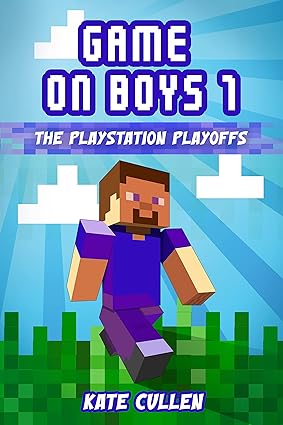
"Jane's analysis of my book's positioning was completely eye-opening. I'd been struggling for months, trying everything I'd read about — social media, ads, newsletter swaps — and getting nowhere. She looked at my data and immediately identified that my children's action series was in completely wrong categories and targeting keywords that parents never actually search for.
Within three weeks of implementing her recommendations, I saw more organic discovery than I'd had in the previous six months combined. The specific, actionable nature of her advice was what made the difference. Not vague suggestions, but exact categories to request, precise keywords to add, specific communities to engage with.
What I appreciated most was her honesty. She told me what would work and what wouldn't — including things I was planning to spend money on that she said would be wasted. That kind of direct guidance saved me thousands of dollars and months of frustration."
Featured Book
Results Achieved:
- ✓ Visibility improved dramatically
- ✓ Correct reader audience found
- ✓ Series sales increased
- ✓ Sustainable organic discovery
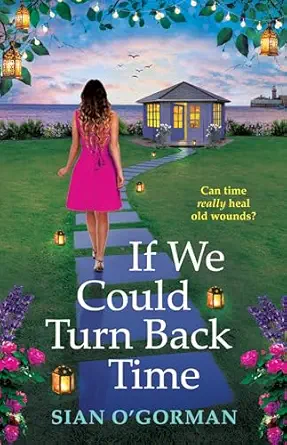
"As a sci-fi author with multiple series, I thought I understood my market pretty well. I'd been publishing for years and had developed what I considered good instincts about categories and positioning. Jane proved me wrong — in the best possible way.
She identified gaps in my category placement and keyword strategy that I never knew existed. Things that seemed minor to me — a category choice here, a keyword there — were actually creating significant barriers to discovery. Her data-driven approach showed me exactly why certain books were underperforming despite being well-reviewed.
The difference between before and after was night and day. Not just in sales numbers, but in the quality of readers finding my books. I was finally reaching people who were actively searching for exactly what I write, instead of hoping they'd stumble across me."
Featured Book

Results Achieved:
- ✓ Category gaps identified and fixed
- ✓ Keyword strategy optimized
- ✓ Right readers finding books
- ✓ Series visibility improved
"Jane's expertise in women's fiction positioning is remarkable. She understood my genre at a level I hadn't seen from any other marketing professional. She knew the specific subcategories, the reader expectations, the keywords that actually drive discovery in this space.
She helped me understand exactly where my book belonged in the market and how to reach readers who love heartfelt family stories. The results speak for themselves — but more than the numbers, I finally felt like I had a clear path forward instead of randomly trying tactics.
I've recommended her to every author friend I have. Not because she asked me to, but because working with her genuinely transformed how I think about my book's place in the market."
Featured Book

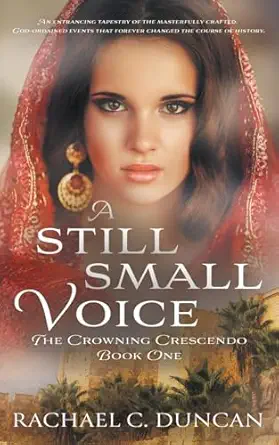
"Working with Janetransformed my book's visibility. Her expertise in Christian historical romance was evident from our very first conversation — she understood the nuances of this niche market better than anyone I'd worked with before.
She identified exactly which categories and keywords would connect my book with readers seeking faith-based stories. More importantly, she helped me understand WHY these choices mattered, so I could apply the same thinking to future books.
I finally feel like I understand how Amazon works. That understanding is invaluable — it's not just about one book, it's about every book I'll ever publish."
Featured Book
More Author Feedback
"I finally understand WHY my book wasn't being found. Janedidn't just give me a list of tasks — she explained the logic behind every recommendation so I could make informed decisions. That education has been invaluable for every book since."
"She showed me exactly what was wrong with my categories and keywords. I had no idea I was in categories that didn't match my book at all. The fixes were simple once I understood the problem — and the results were immediate."
"For the first time, I have a plan that actually makes sense for MY book. Not generic advice that could apply to anyone, but specific strategies based on my actual market position and data. Game changer."
"She told me what NOT to waste money on. That alone was worth it. I was about to spend thousands on tactics that wouldn't have moved the needle. Janesaved me from expensive mistakes and pointed me toward what actually works."
"My read-through rate was abysmal and I didn't even know it. Janeshowed me exactly where readers were dropping off and how to fix the funnel. Series revenue more than doubled within two months."
"I'd worked with two other marketers before Jane. They gave me generic playbooks. Janegave me analysis specific to my book, my genre, my market position. Night and day difference in both approach and results."
"The free assessment alone was more valuable than paid consultations I'd done elsewhere. Janeactually looked at my data before we talked. She came prepared with specific observations, not generic questions."
"I was skeptical that anyone could help with my niche genre. Janeproved me wrong. She found reader communities I didn't know existed and positioned my book to reach them. My LitRPG series finally found its audience."
Verification Welcome
These testimonials are from real authors who agreed to share their experiences publicly. For the featured testimonials, I've included their email addresses so you can reach out directly if you want to verify my work or hear more about their experience. I'm proud of every author relationship I've built and have nothing to hide.
Ready to Join Them?
Send me your book link and let's see if I can help you achieve similar results.
Get Your Free Assessment →Frequently Asked Questions
Answers to the questions authors ask most often before reaching out. If you don't find what you're looking for here, feel free to contact me directly.
Getting Started
I look at your book's publicly available data: current BSR and trajectory, category placement, review count and rating, pricing relative to genre, and basic positioning signals. I spend 20-30 minutes actually analyzing your book before responding.
I reply with honest initial observations about what I see — both potential problems and potential opportunities. If there's a clear discovery gap I can help with, I'll explain what it is and how I'd address it. If I don't think I can meaningfully help, I'll tell you that too and explain why.
There's no pitch, no pressure, no obligation. The assessment is genuinely free because it helps both of us figure out if there's a fit. I only want to work with authors where I can make a real difference.
I respond to all assessment requests within 48 hours, Monday through Friday. You'll receive a detailed email with my initial observations and recommendations.
If we decide to work together on a full analysis, that typically takes 5-7 business days depending on complexity — longer for series with multiple books or authors with extensive backlists.
Just three things: your book title, your genre, and your Amazon link (if published). That's enough for me to do an initial assessment and tell you whether I can help.
If your book isn't published yet, tell me the genre, your planned release date, and what you're hoping to achieve. I can still provide guidance on pre-launch positioning.
The more context you provide about your situation — what you've tried, what's frustrating you, what your goals are — the more useful my assessment will be. But if you just want to send a link and see what I say, that works too.
Working Together
No. Anyone who guarantees specific sales numbers or bestseller status is not being honest with you. The book market is complex, and many factors are outside anyone's control.
What I can guarantee is that I will identify exactly where your positioning is blocking discovery and give you a data-backed plan to fix it. Correct positioning dramatically improves the odds — but I won't pretend I can control algorithms or reader behavior.
I'm honest about what's possible and what isn't. That honesty is more valuable than empty promises.
Most services start with a template and apply it to every author. "Here's our 10-step system!" or "Here's what worked for these bestsellers!" The problem is that what works for one author in one genre may not work for you at all.
I start with your book's actual data. Before I make a single recommendation, I analyze your BSR, categories, keywords, reviews, also-boughts, and competitive landscape. Every strategy I build is specific to YOUR book in YOUR market.
I also tell you what NOT to do, which most marketers won't. Half of effective marketing is filtering out the noise and not wasting resources on tactics that don't fit your situation.
It depends on scope. After the free assessment, I outline options at different investment levels so you can choose what fits your budget and needs. No surprise billing, no hidden fees, no pressure to buy more than you need.
I'd rather you invest in the right service at the right level than oversell you on something that doesn't match your situation. The free assessment helps both of us figure out what makes sense.
For larger engagements, I do offer payment plans. I never want finances to be the barrier that keeps an author from getting help they need.
Yes, for larger engagements. We can discuss options that work for your situation. I believe in making this accessible to authors who need help, not just those with big budgets.
Timing & Process
Ideally 3-6 months before publication. Category selection, keyword targeting, review velocity planning, and pre-launch audience building all benefit from lead time. The earlier we lock in your positioning, the better your launch will go.
That said, if your book is already out, we can absolutely still work together. Many of my best results come from repositioning books that launched with weak positioning. It's never too late to fix discovery gaps — the question is just whether you've left launch momentum on the table.
It varies by situation. Category and keyword changes typically take 2-4 weeks to fully propagate through Amazon's systems. Some authors see BSR improvements within days; others take longer depending on market conditions and how significant the changes are.
For community outreach and book club placement, results often come in waves — a club selection here, a review there, building over time. This isn't instant-gratification marketing; it's building sustainable infrastructure.
I set realistic expectations based on your specific situation and we track progress together with clear metrics.
Yes, both. The approaches differ slightly.
Self-published authors typically have more control over metadata, pricing, and cover design, which means faster implementation of changes. We can adjust categories, keywords, and pricing directly.
Traditionally published authors may need to work through their publisher for some changes, particularly metadata and pricing. But there's still significant optimization possible on Goodreads, BookBub, social presence, reader community outreach, and author platform building — areas where you have full control.
Scope & Limitations
Many of my clients are. You don't need to become a social media personality or build a massive public platform.
A significant portion of what I do is infrastructure and positioning work that happens behind the scenes: category optimization, keyword research, metadata improvements, back-matter funnels, book club outreach that doesn't require you to be "on" constantly.
We build visibility around your comfort level and natural strengths. Some authors thrive on social media; others don't. The goal is to find what works for YOU.
My focus is organic discoverability and positioning, not paid advertising. I can guide you on when ads make sense for your situation, what types might be worth testing, and how to think about ad strategy — but I'm not a day-to-day ad manager.
Here's the important thing: good positioning makes ads work better. Running ads to a book with bad positioning is like pouring water into a leaky bucket. Fix the foundation first, then consider ads as an amplifier.
Publicists focus on media: getting reviews in publications, landing interviews, securing features and press coverage. That's valuable work, but it's a different problem than what I solve.
I focus on reader discovery infrastructure: categories, keywords, metadata, audience mapping, community positioning, and platform presence — the factors that determine whether readers find your book through search, browse, and algorithmic recommendations on Amazon and other platforms.
Some authors need a publicist. Some need what I do. Some need both. They're different problems requiring different expertise.
I don't design covers or edit manuscripts — those require specialized creative skills I don't claim to have.
However, I can evaluate whether your current cover signals the right genre expectations to readers, and I can recommend trusted professionals if changes are needed. Cover assessment is part of the positioning analysis — I'll tell you if your cover is helping or hurting your discoverability.
My expertise is primarily in English-language markets (US, UK, Canada, Australia). I can offer general positioning guidance for other markets, but the depth of analysis will be more limited since I can't evaluate non-English blurbs or navigate non-English category systems with the same precision.
If you're targeting non-English markets, I'll be honest about where my expertise ends.
Ethics & Approach
No. Everything I recommend is within Amazon's terms of service and industry best practices.
No fake reviews. No rating manipulation. No click farms. No review swaps. No anything that could risk your account or your reputation as an author.
I'm building your long-term author career, not chasing short-term metrics with tactics that could backfire. Your reputation and your account are too valuable to risk.
I'll tell you directly. Not every book has a positioning problem I can solve.
Sometimes the issue is market size — some niches are simply too small to support commercial success. Sometimes it's writing craft or editing quality issues that positioning can't fix. Sometimes the book is already well-positioned and the challenge is something else entirely.
If I don't think I can meaningfully help, I'll say so clearly — and I'll explain why, so you at least understand your situation better even if I'm not the right solution.
Your book data, sales numbers, and strategy details are completely confidential. I never share client information without explicit permission.
When I share case studies, they're anonymized unless the author has specifically agreed to be featured. Even then, I only share what they've approved.
Your trust is essential to this work. I take confidentiality seriously.
Still Have Questions?
The fastest way to get answers is to send me your book details. I'll review them and reply with honest observations — including whether I'm the right fit for your situation.
Send Your Book DetailsOr email me directly at:
janebennett250@gmail.comResponse Time
I respond to all inquiries within 48 hours, Monday through Friday. You'll hear from me personally.
What to Include
- • Your book title and genre
- • Amazon link (if published)
- • What you've tried so far
- • What's frustrating you most
- • Your timeline and goals
Get Your Free Assessment
Send me your book. I'll analyze the data and tell you exactly what I see — no cost, no obligation, just honest observations from someone who's spent a decade understanding book markets.
Tell Me About Your Book
Jane Bennett
Author Visibility Specialist
I'm selective about who I work with because I want to give real attention to every project. The free assessment helps both of us determine if there's a genuine fit.
I reply to every message within 48 hours, Monday through Friday. You'll get a real, thoughtful response from me personally — not an assistant, not a template.
My Commitments
- ✓ No fake reviews, ever
- ✓ No rating manipulation
- ✓ No spam outreach
- ✓ No dishonest promises
- ✓ No risky tactics
- ✓ Full transparency always
What Happens Next
- 1 Your message arrives directly in my inbox
- 2 I analyze your book's publicly available data
- 3 I reply within 48 hours with honest observations
- 4 If I can help, I explain how. If not, I tell you why.